Only Three Hydrogen Vehicles Remain—All California-Exclusive
The hydrogen vehicle market currently consists of just three models available in North America for 2025: the Toyota Mirai, Hyundai Nexo, and Honda CR-V e:FCEV. All are restricted to California due to infrastructure limitations. US hydrogen vehicle sales decreased significantly in 2024 to 499 units, down 82% from 2,737 in 2023, reflecting the current challenges in the market.
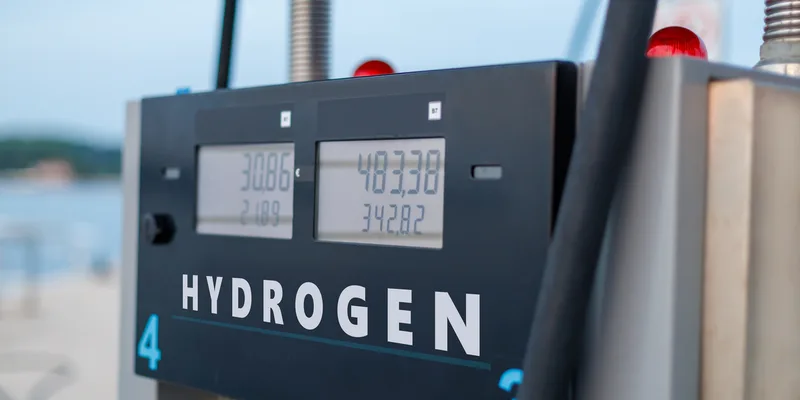
Before considering any hydrogen vehicle, it's essential to understand the current state of hydrogen refueling infrastructure. With only 52 operational stations nationwide and frequent reliability issues, even California buyers face significant challenges accessing fuel.
2025 Toyota Mirai: Luxury Sedan with Catastrophic Depreciation
Current Pricing with Desperate Incentives
- MSRP: $52,890 (XLE trim only—Limited discontinued)
- Current deals: $25,000-$35,000 cash back plus 0% APR for 48-72 months
- Effective price after incentives: As low as $17,890-$27,890
- $15,000 fuel credit for 6 years (purchase) or 3 years (lease)
- Additional California rebate: $4,500
These massive discounts signal desperation—Toyota is practically giving away vehicles it can't sell. The skyrocketing cost of hydrogen fuel has made operating these vehicles more expensive than gasoline alternatives.
Specifications
- EPA range: 402 miles (real-world: 310-350 miles)
- 0-60 mph: 7.4-9.2 seconds depending on test
- Power: 182 hp, 221 lb-ft torque
- Fuel economy: 76 MPGe city / 71 highway / 74 combined
- Tank: 5.6 kg hydrogen in three tanks
- Drive: Rear-wheel drive
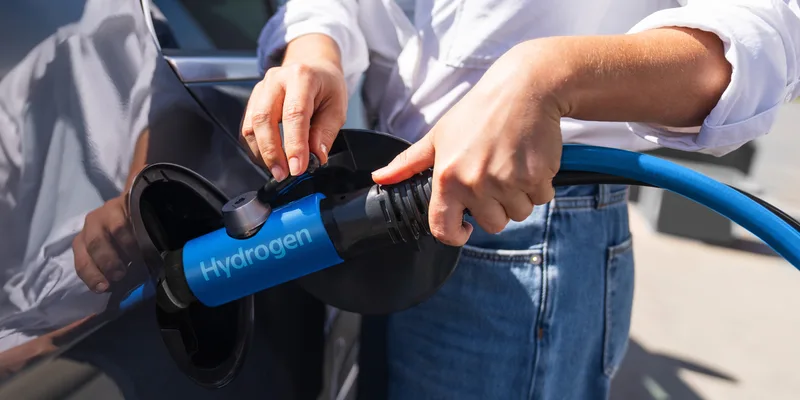
- Refueling time: 3-5 minutes advertised (reality varies dramatically based on station availability)
Interior Space Hampered by Hydrogen Tanks
- Seating: 5 passengers (4 comfortable)
- Cargo: Only 9.6 cubic feet—severely limited by hydrogen tank packaging
- Front legroom: 42.2 inches
- Rear legroom: 38.0 inches (tight rear headroom)
- Materials: SofTex synthetic leather with Lexus-like refinement
- No spare tire (repair kit only)
Technology and Features
- 12.3-inch touchscreen infotainment
- 14-speaker JBL premium audio
- Wireless Apple CarPlay/Android Auto, wireless charging
- Toyota Safety Sense 3.0 with full suite: adaptive cruise, lane-centering, automatic emergency braking, blind-spot monitoring, 360-degree camera, parking assist
Warranty Coverage
- Basic: 3 years/36,000 miles
- Powertrain: 5 years/60,000 miles
- Fuel cell components: 8 years/100,000 miles
- Hybrid battery: 10 years/150,000 miles
- ToyotaCare maintenance: 3 years/35,000 miles free
- Roadside assistance: 10 years
Limited Availability
California ONLY (zero other states). Just 12 approved dealers: 6 Southern California, 5 Bay Area, 1 Sacramento. Can order through Toyota.com but delivery California-exclusive. 21 days/year free rental car for out-of-state trips (because you can't drive it elsewhere without access to hydrogen fuel stations).
Challenging Resale Values
- 2021 Mirai ($49,500-$67,000 new): Now $8,000-$22,000 (60-80% depreciation in 3-4 years)
- 2023 Mirai ($50,595 new): Fair purchase price $15,611-$25,169 (70% loss in 2 years)
- 234 used Mirais listed on Carfax, over half with under 40,000 miles (owners fleeing early)
- Some owners offered only $1,000 trade-in for vehicles purchased at $75,000
2025 Hyundai Nexo: Better Warranty, Same Infrastructure Challenges
Pricing with Heavy Incentives
- MSRP Blue trim: $61,470-$63,000 (380-mile range)
- MSRP Limited trim: $64,920-$66,000 (354-mile range)
- Current deals: Up to $35,000 discount reported (effective price ~$27,000)
- $15,000 fuel credit for 6 years (purchase) or 3 years (lease)
- Federal tax credit: Up to $7,500 for lease
- HOV lane access with California Clean Air Vehicle sticker
Specifications
- EPA range: 380 miles (Blue) / 354 miles (Limited)
- 0-60 mph: ~9 seconds estimated
- Power: 161 hp, 291 lb-ft torque
- Fuel economy: 60 MPGe combined / 65 city / 58 highway
- Tank: 6.3 kg hydrogen in three tanks
- Drive: Front-wheel drive
- Battery: 1.6 kWh (energy buffering, not plug-in)
Interior Space Better Than Mirai
- Seating: 5 passengers
- Cargo: 29.6 cubic feet—MORE than gasoline Hyundai Kona despite being hydrogen
- Total interior volume: ~10 cubic feet more than gas Kona
- Materials: Cloth standard, leather on Limited
Warranty Coverage (Best in Industry)
- Basic: 5 years/60,000 miles (vs. Toyota's 3 years)
- Powertrain: 10 years/100,000 miles (includes fuel cell—BEST available)
- Fuel cell system: 10 years/100,000 miles
- Complimentary maintenance: 3 years/36,000 miles
- Roadside assistance included
2025 Honda CR-V e:FCEV: The Plug-in Hybrid Advantage
Unique Proposition with Built-in Backup
- MSRP: $50,000 (LEASE ONLY—no purchase option)
- Lease deals:
- 3 year/36,000 miles: $459/month + $15,000 fuel credit (most popular)
- 2 year/24,000 miles: $489/month + $25,000 fuel credit
- Production: Limited to ~300 units per year
- California residents only
Revolutionary Plug-in Capability
This is America's first hydrogen vehicle you can also plug in—providing critical backup when hydrogen stations fail.
Specifications
- Hydrogen range: 270 miles EPA
- EV-only range: 29 miles (17.7 kWh battery)
- Total combined range: 299 miles
- 0-60 mph: 8.6 seconds estimated
- Power: 174 hp, 229 lb-ft torque
- Fuel economy: 61 MPGe combined / 52 city / 57 highway
- Tank: 4.3 kg hydrogen (2 tanks)
- Charging: Level 1 or 2 (standard J1772), 2-3 hours Level 2
- Refueling: 3-5 minutes hydrogen
- Drive: Front-wheel drive
How the Dual System Works
The 29-mile EV range covers most daily commutes using only the battery, while the hydrogen fuel cell extends range for longer trips. This means owners can function even when hydrogen stations are offline—a massive advantage over Mirai and Nexo. For a detailed comparison of hydrogen and electric vehicles, see our complete guide.
Discontinued Hydrogen Vehicles: The Graveyard
Honda Clarity Fuel Cell (2016-2021)
- Why discontinued: Slow sales, infrastructure never materialized
- Production ended: August 2021, leases through 2022
- Specs: 174 hp, 300 lb-ft, 366-mile range
- Legacy: Technology evolved into CR-V e:FCEV
Mercedes-Benz GLC F-Cell (2018-2020)
- Never came to US market (delayed, then cancelled)
- Germany only, full-service rental model
- Why failed: Mercedes halted all passenger fuel cell development
Hyundai Tucson FCEV (2014-2018)
- Replaced by Nexo in 2018
- Specs: 136 hp, 291 lb-ft, 290-mile range
- Sales: Very limited, California only
The Hydrogen Fuel Cost Crisis
Price Explosion Destroying Economics
- 2021: $13.14-16/kg
- Late 2022: $21.28/kg
- 2024-2025: $32-36/kg at most stations
- October 2024: $34.55/kg monthly average (record high)
Cost Per Fill-up
- Toyota Mirai (5.6 kg): $180-201 per tank
- Hyundai Nexo (6.3 kg): $202-227 per tank
- Honda CR-V e:FCEV (4.3 kg): $138-155 per tank
For a detailed breakdown of hydrogen fuel costs and how they compare to gasoline and electric vehicles, read our comprehensive fuel cost analysis.
Cost Per Mile Comparison
- Hydrogen: $0.78/mile at $36/kg
- Gasoline (30 MPG): $0.22/mile at $4.64/gallon California
- Hybrid (44 MPG): $0.10/mile
- EV home charging: $0.07/mile at $0.273/kWh California
- EV Supercharger peak: $0.13/mile at $0.50/kWh
The brutal math: Hydrogen is 3.5x more expensive than gasoline and 11x more expensive than home EV charging.
Side-by-Side Comparison
| Specification | Toyota Mirai | Hyundai Nexo | Honda CR-V e:FCEV |
|---|---|---|---|
| MSRP | $52,890 | $61,470-$66,000 | $50,000 (lease only) |
| Effective Price After Incentives | $17,890-$27,890 | ~$27,000 | $459-489/mo lease |
| Fuel Credit | $15,000 (6 years) | $15,000 (6 years) | $15,000-$25,000 |
| Hydrogen Range | 402 miles EPA | 354-380 miles EPA | 270 miles EPA |
| EV Range | N/A | N/A | 29 miles |
| Total Range | 402 miles | 354-380 miles | 299 miles |
| Power | 182 hp / 221 lb-ft | 161 hp / 291 lb-ft | 174 hp / 229 lb-ft |
| 0-60 MPH | 7.4-9.2 seconds | ~9 seconds | ~8.6 seconds |
| Fuel Economy | 74 MPGe combined | 60 MPGe combined | 61 MPGe combined |
| Tank Capacity | 5.6 kg H2 | 6.3 kg H2 | 4.3 kg H2 |
| Fill-up Cost @ $36/kg | $201 | $227 | $155 |
| Drivetrain | Rear-wheel drive | Front-wheel drive | Front-wheel drive |
| Seating | 5 (4 comfortable) | 5 | 5 |
| Cargo Space | 9.6 cu ft | 29.6 cu ft | CR-V typical |
| Fuel Cell Warranty | 8 years/100K miles | 10 years/100K miles | N/A (lease only) |
| Powertrain Warranty | 5 years/60K miles | 10 years/100K miles | N/A (lease only) |
| Plug-in Capability | No | No | Yes (Level 1/2) |
| Purchase Option | Yes | Yes | Lease only |
| Best For | Luxury seekers, longest range | Best warranty, cargo space | Daily commutes, backup power |
Which Model is Best for Different Buyers
Best for Families: Honda CR-V e:FCEV
Why: Crossover practicality, 29-mile EV range covers daily commutes without hydrogen, plug-in provides backup when stations fail, familiar CR-V packaging.
Best for Commuters: Honda CR-V e:FCEV
Why: Can commute on battery alone, only needs hydrogen for longer trips, reduces exposure to station reliability issues.
Best for Luxury Buyers: Toyota Mirai
Why: Lexus-based platform and refinement, rear-wheel drive dynamics, most premium interior, smoothest/quietest.
Caveat: Significant depreciation should be carefully considered when evaluating purchase versus lease options.
Best Value: Toyota Mirai
Why: $25,000-$35,000 discounts = effective price $17,000-28,000, includes $15,000 fuel credit, can be purchased (not lease-only).
Caveat: Only "value" if you can use fuel credit quickly and accept zero resale value.
Best Range: Toyota Mirai
402 miles EPA (real-world 310-350 miles) vs. Nexo's 380 miles vs. CR-V e:FCEV's 299 miles combined.
Best Warranty: Hyundai Nexo
10 years/100,000 miles powertrain and fuel cell coverage (best in industry) vs. Toyota's 8 years/100,000 fuel cell, 5 years powertrain.
Best Cargo Space: Hyundai Nexo
29.6 cubic feet vs. Mirai's significantly smaller 9.6 cubic feet.
Critical Buyer Warnings
⚠️ Limited Infrastructure
Network shrinking, not growing. Shell closed 7 stations in 2024. No stations outside California. Frequent outages leave owners stranded. Learn more about the current state of hydrogen infrastructure.
⚠️ Catastrophic Depreciation
70-90% value loss in 2-4 years. 2021 Mirai ($50k new) now worth $8k-$10k. Worst depreciation of any vehicle class. Extremely thin used market.
⚠️ Fuel Cost Crisis
Prices tripled to $32-36/kg. $180-200 per fill-up vs. $50-60 for gas. $15k fuel credit depletes much faster than intended due to higher prices.
⚠️ Limited Service
Only certified dealers can service fuel cells. Limited parts availability. Few qualified technicians.
⚠️ Difficult Resale
Can only sell to California buyers. Very few interested. Trade-in values extremely low. Toyota offering $2,500 loyalty to trade OUT of Mirai.
Key Considerations for Hydrogen Vehicle Purchase
Hydrogen vehicles may be suitable if you meet these conditions:
- Live in California with convenient access to multiple functioning hydrogen fuel stations
- Can take advantage of substantial manufacturer discounts ($25,000-35,000)
- Plan to maximize the $15,000 fuel credit within the lease term
- Understand that resale values are currently significantly lower than purchase prices
- Have alternative transportation options for station maintenance periods
- Are interested in emerging vehicle technology and accept market uncertainties
Best option for interested buyers: Honda CR-V e:FCEV lease (plug-in capability provides backup charging option)
Market context: The hydrogen passenger vehicle market faces significant headwinds. Sales declined 82% in 2024, infrastructure remains limited primarily to California, fuel costs are currently high, and resale values have been challenging. Battery electric vehicles currently dominate the zero-emission passenger vehicle market with broader infrastructure and lower operating costs. See our detailed hydrogen vs electric comparison for more information.
Many industry analysts see hydrogen's strongest potential applications in commercial vehicles and heavy-duty transportation rather than passenger cars. For most buyers seeking zero-emission vehicles, electric vehicles currently offer more developed infrastructure, lower operating costs, and stronger resale values. However, hydrogen technology continues to evolve, and some buyers may find the technology appealing for specific use cases or as early adopters of emerging technology.
Find Hydrogen Fuel Stations Near You
Before purchasing any hydrogen vehicle, use our free hydrogen station locator to verify station availability in your area.
Locate Hydrogen Stations